Counter
Airport food ordering, designed for time-critical journeys
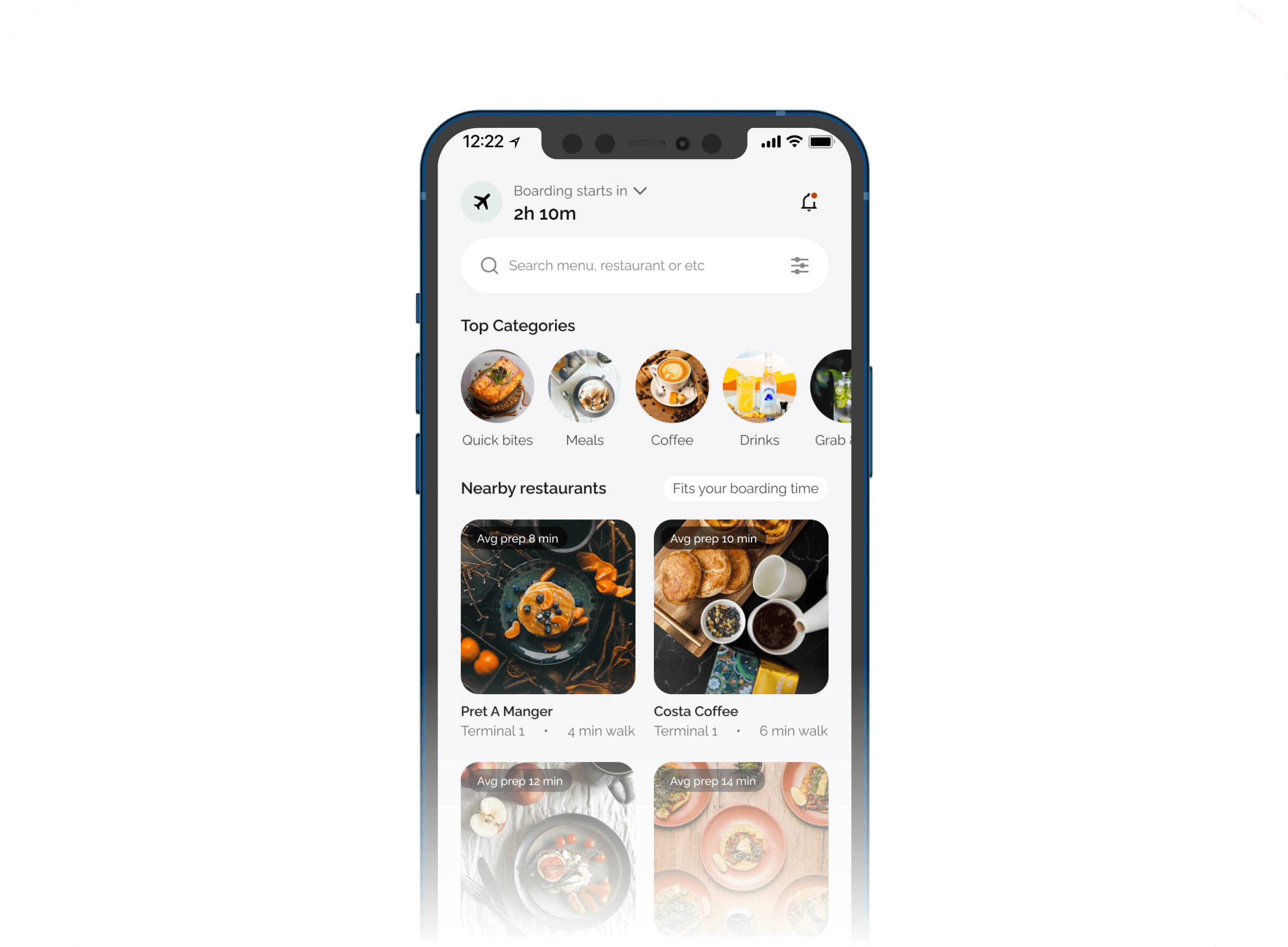
At a glance
About
Airport food ordering operates under constraints unlike everyday delivery. The experience reduces uncertainty and decision overhead to enable seamless pickup before boarding.
As a Product Designer, I worked across the full design lifecycle shaping the problem, defining the system, and translating constraints into interaction flows and high-fidelity interfaces.
My Role
Interaction design
System & flow design
Wireframing → hi-fi UI
Prototyping
Usability validation
Team
Product Design: Rehan (Me),
Thushara (Jr. Designer)
Product Management: PMs
Engineering: Frontend & Backend Engineers
Timeline
April – June 2025
3 design sprints
Problem context
Why airport food is a different UX problem?
→ Food decisions at airports happen under fixed boarding deadlines
→ Users are moving through terminals, not sitting and browsing
→ The cost of a wrong decision is missing boarding, not just bad food
Gap
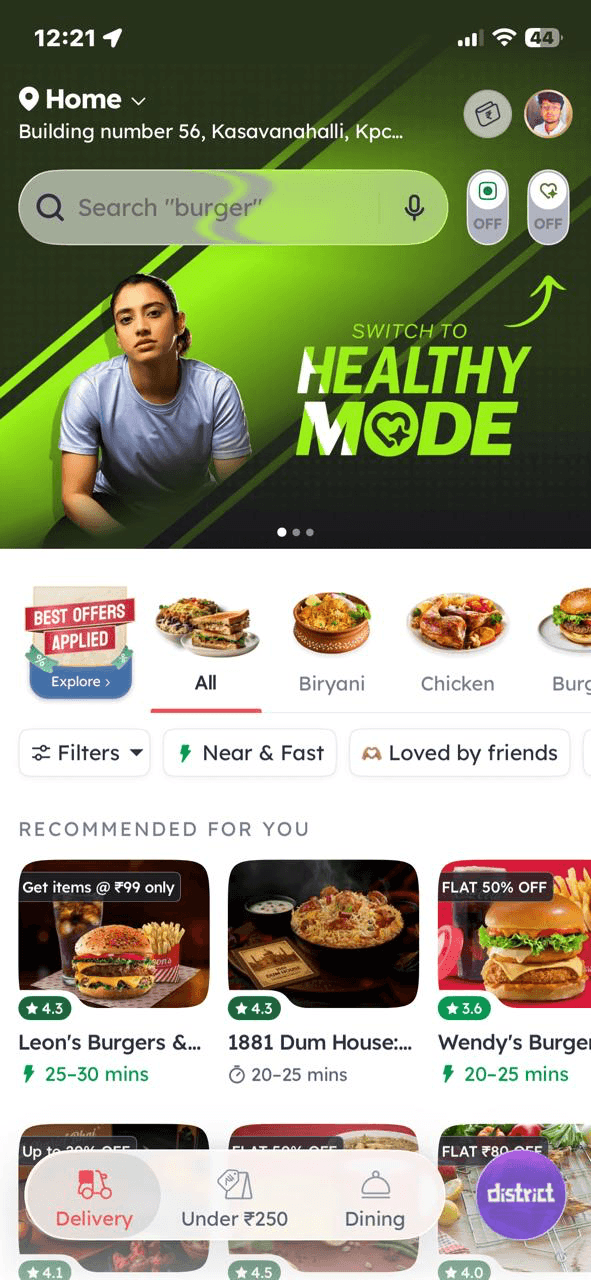
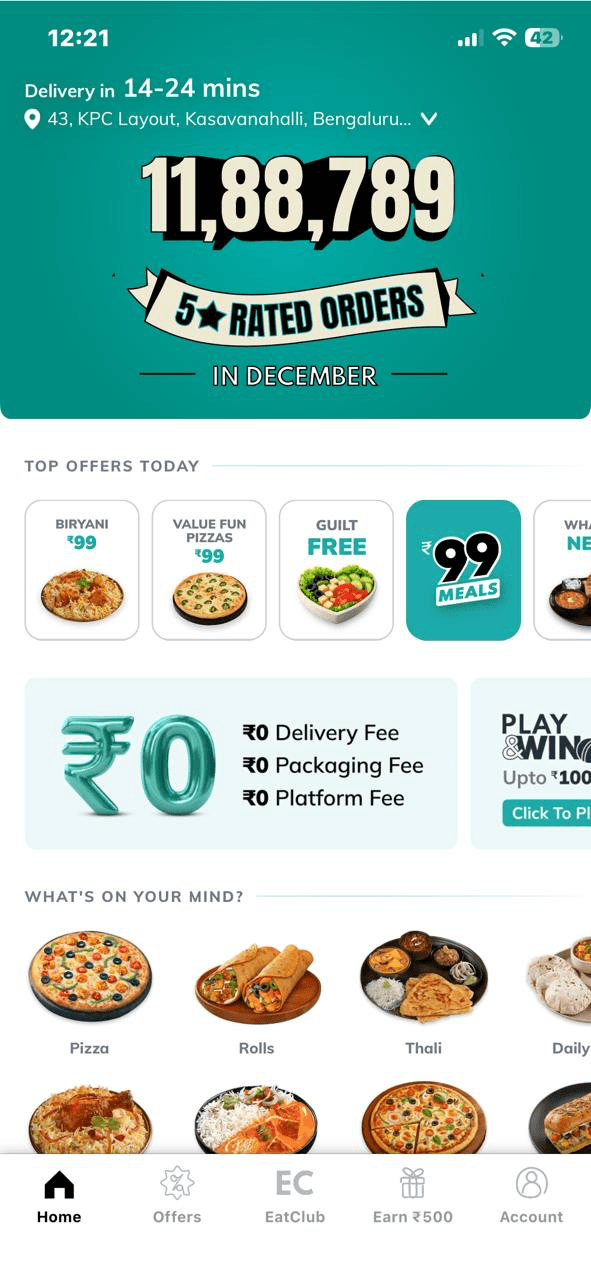
→ Traditional food apps optimise for choice and exploration
→ Airport environments demand certainty, speed, and low-risk decisions
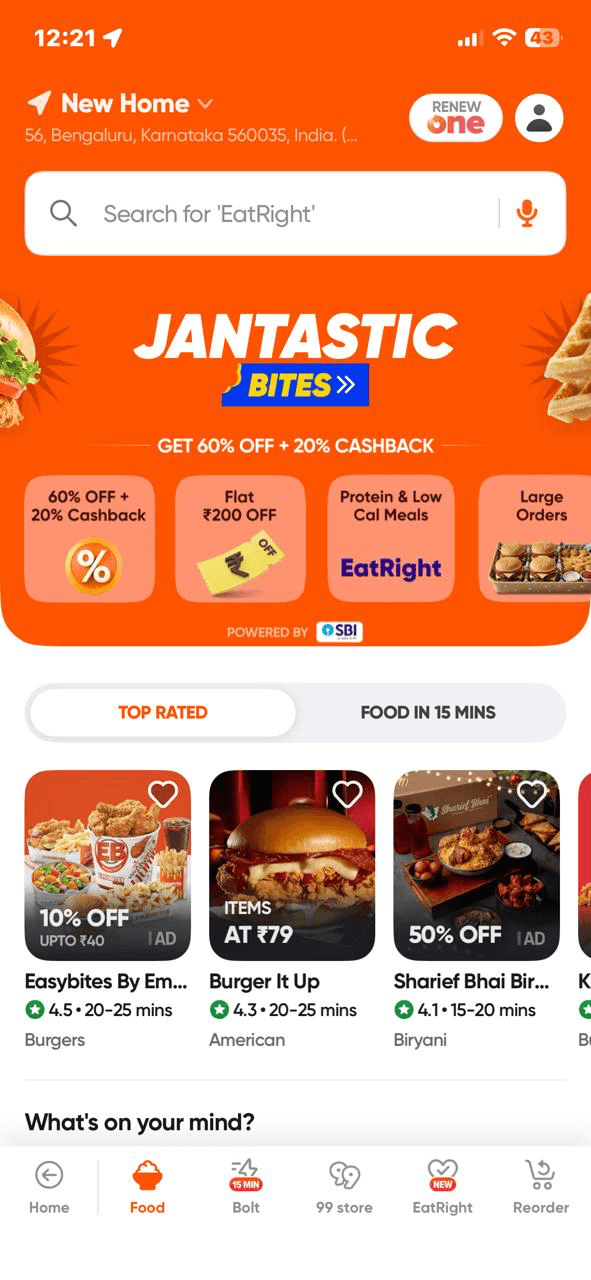
Swiggy
Zomato
Eatclub
Define
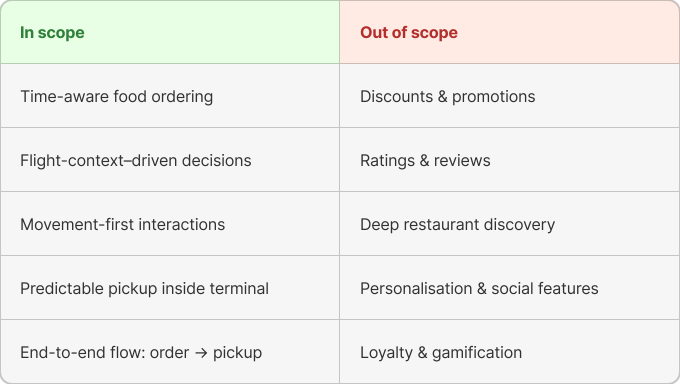
Design scope & focus
Defines what the experience prioritises and what it intentionally excludes.
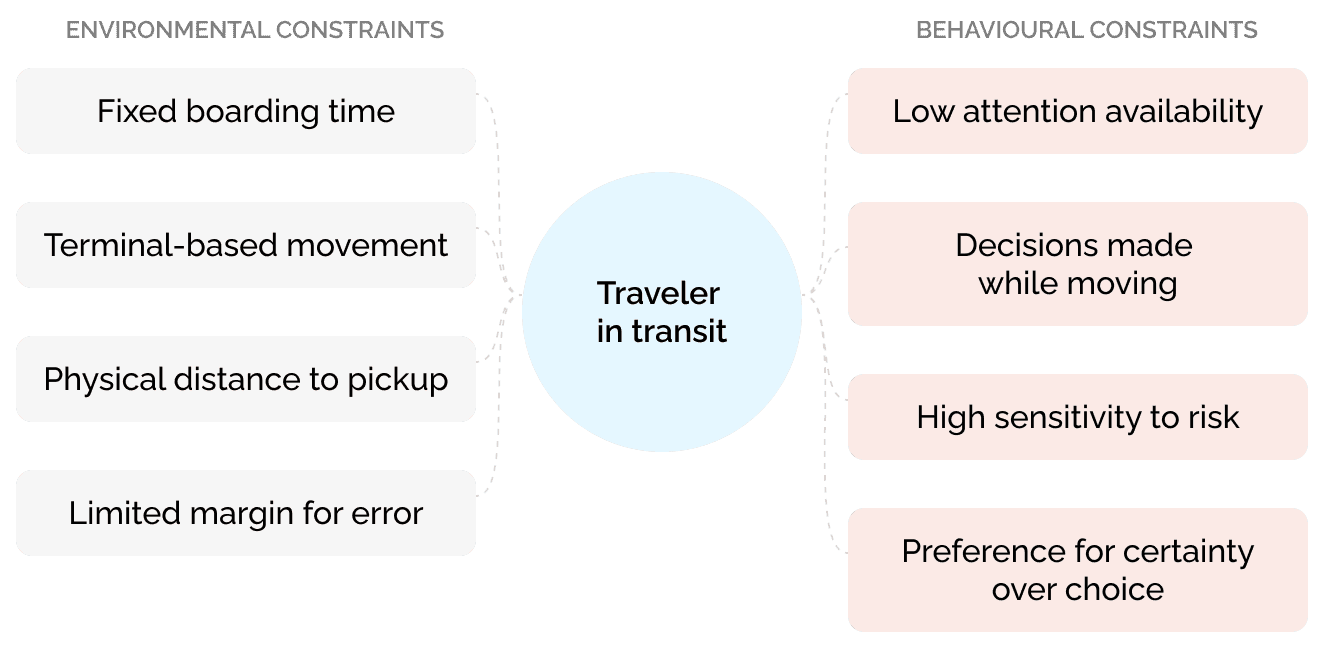
User context & constraints
User behaviour in airports is shaped more by environmental constraints than personal preference.
Design
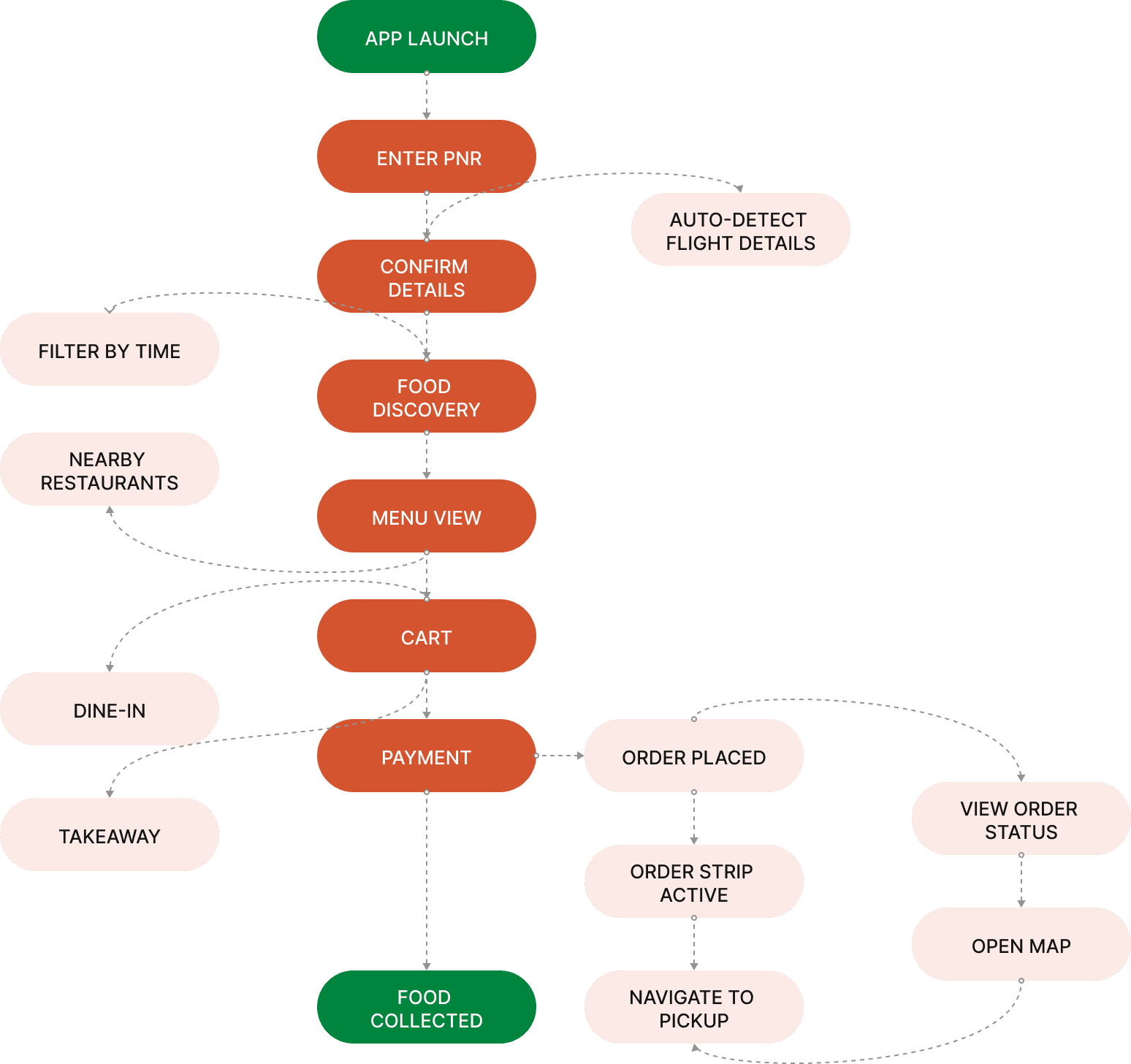
Why the flow was simplified?
The experience was intentionally structured to minimise steps, eliminate unsafe decisions, and support use while users are in motion.
Key UX decisions
→ Flight context anchors all decisions across the experience
→ Only time-feasible restaurants and items are shown
→ Navigation becomes the primary state after payment
→ Order status remains persistently accessible
Intentionally removed
→ Ratings and reviews
→ Discounts, offers, and upsells
→ Deep restaurant detail pages
→ Standalone order-success confirmation screens
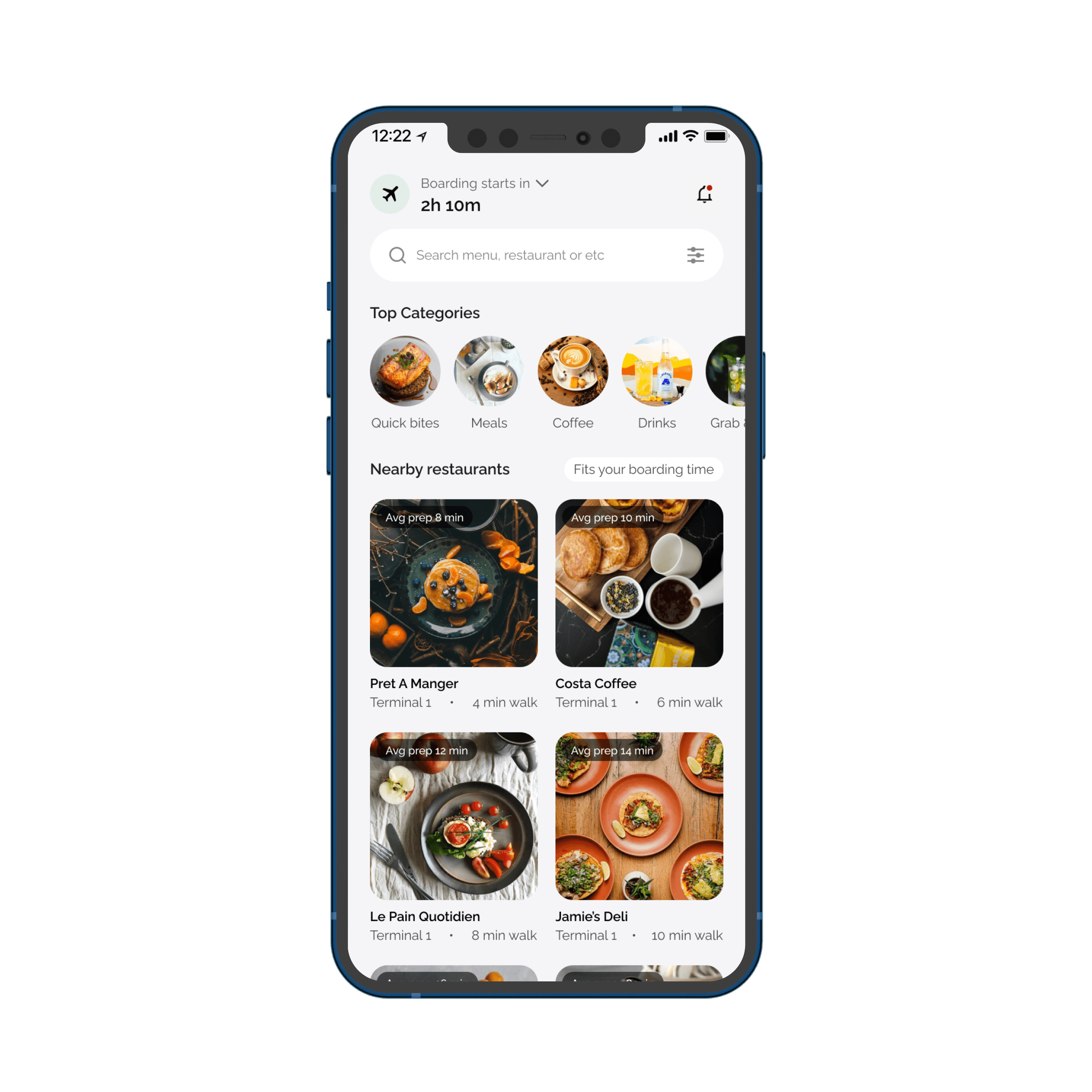
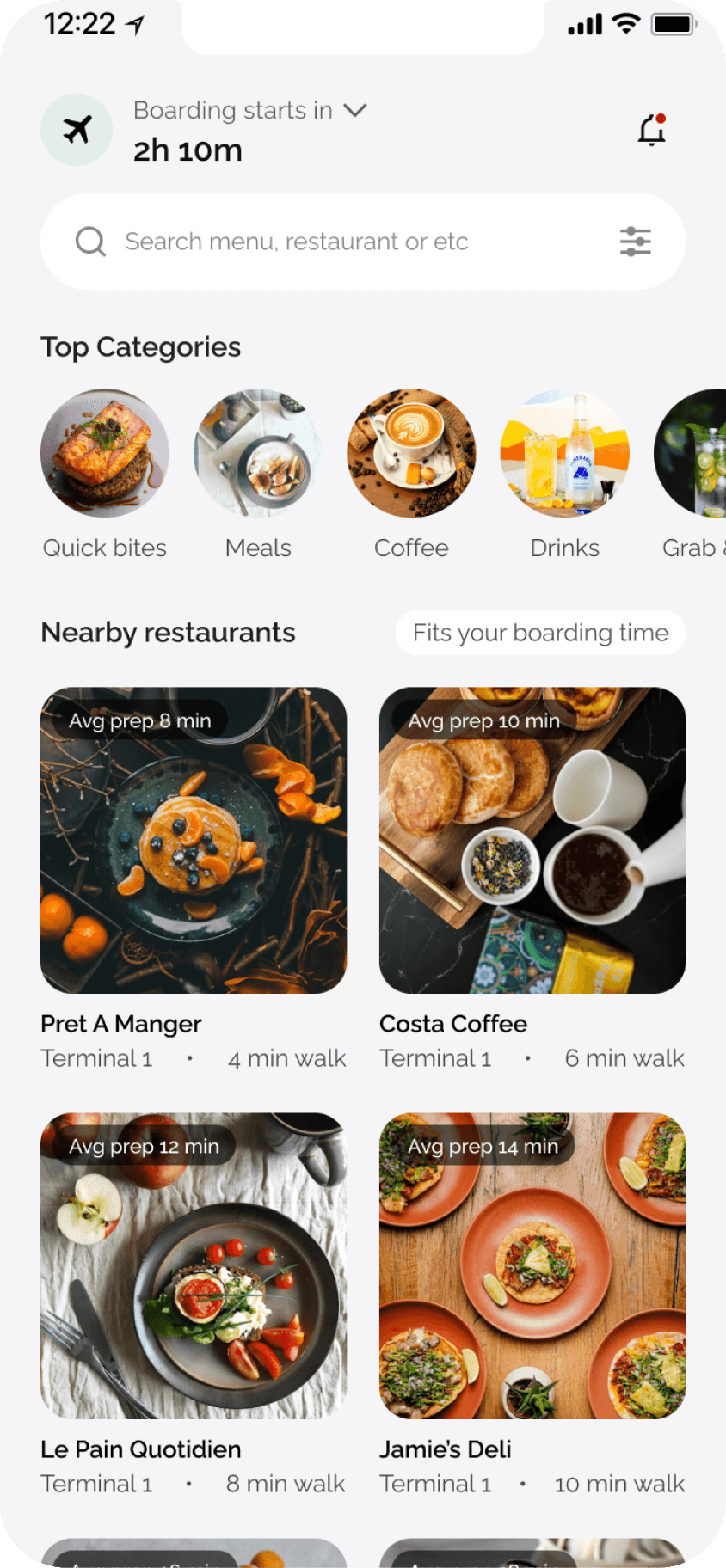
Flight time anchors all decisions from the start.
Only time-feasible options are shown to reduce risk.
Flight context before choice
Boarding time is established upfront to ensure every food option shown can be ordered and picked up safely before departure.
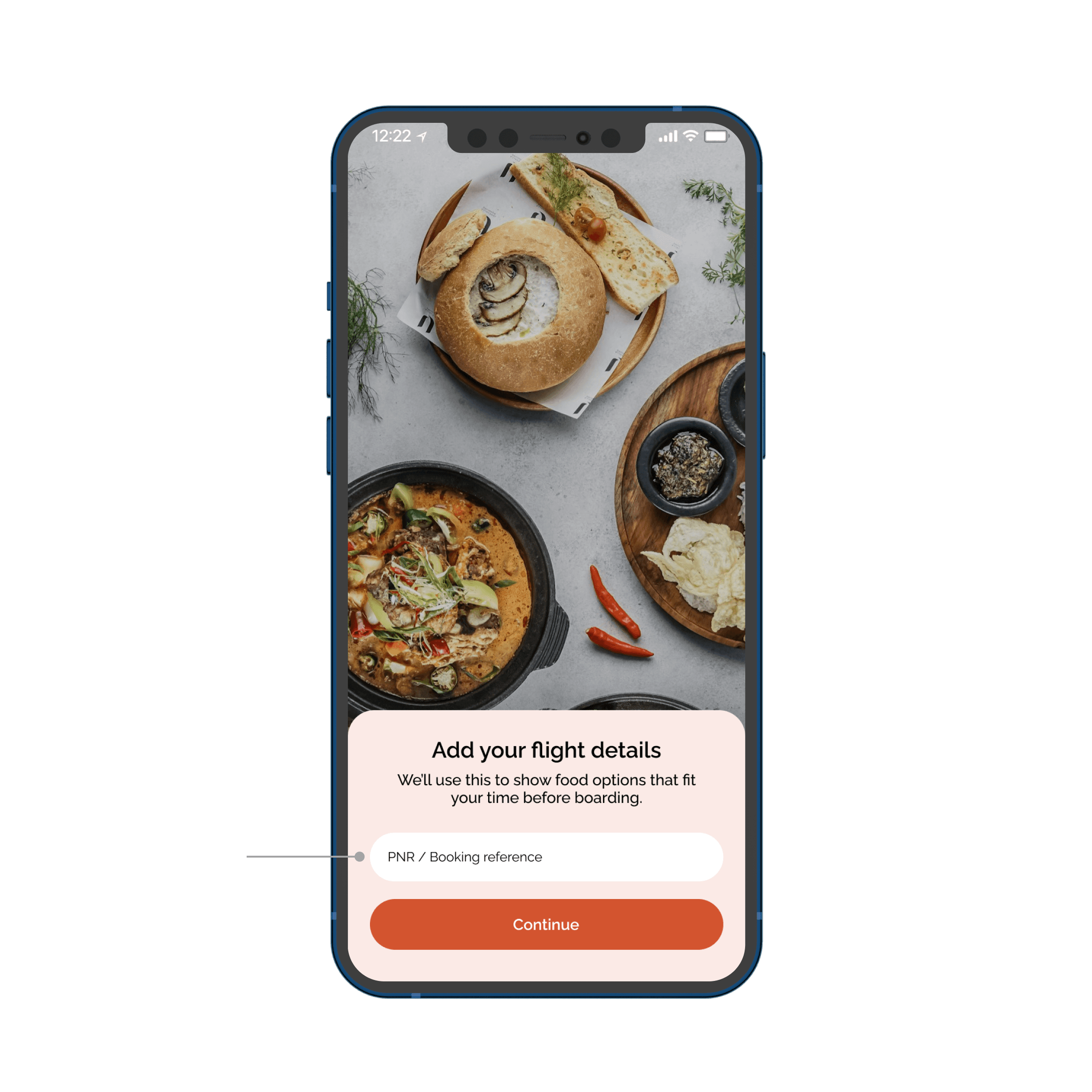
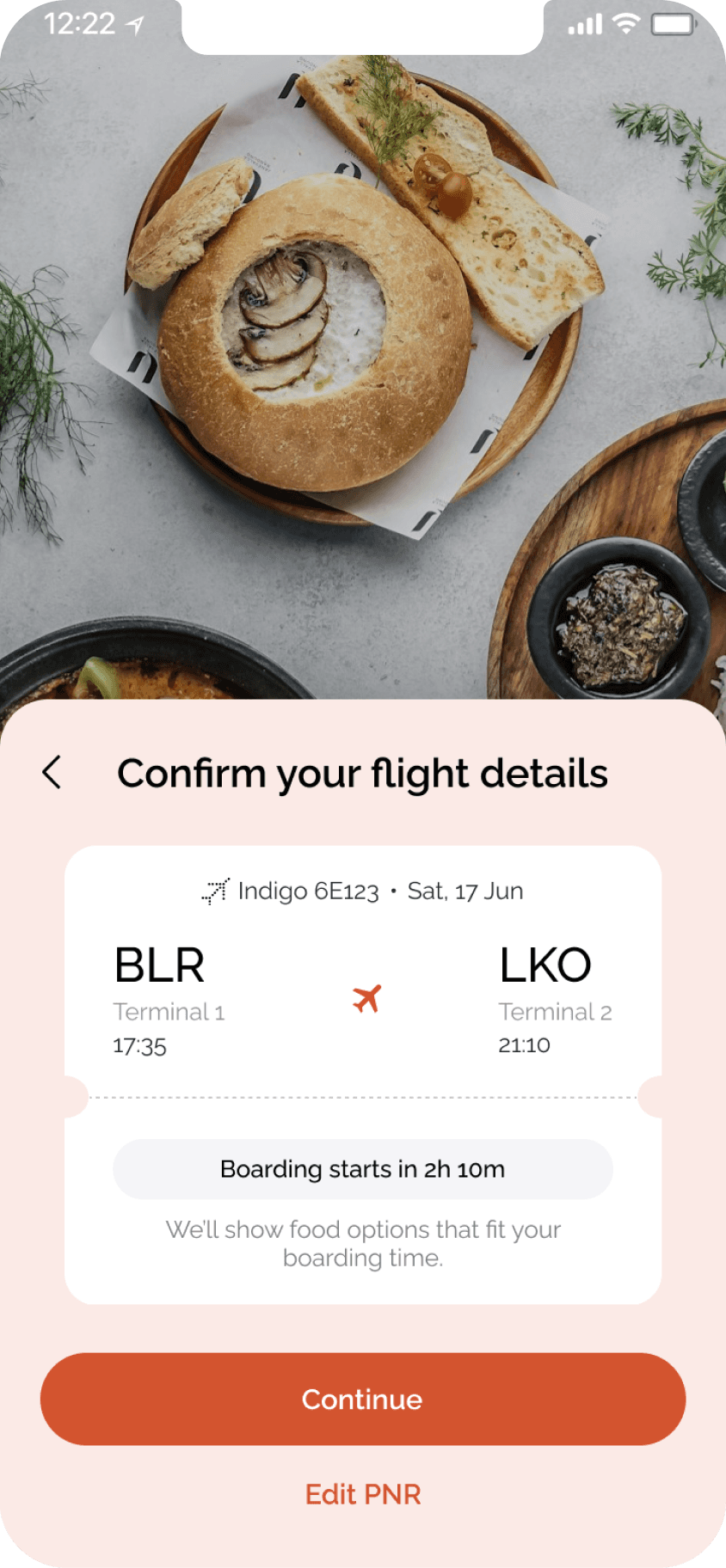
Time context is established before any food is shown.
Flight data is the system’s source of truth.
From order to movement
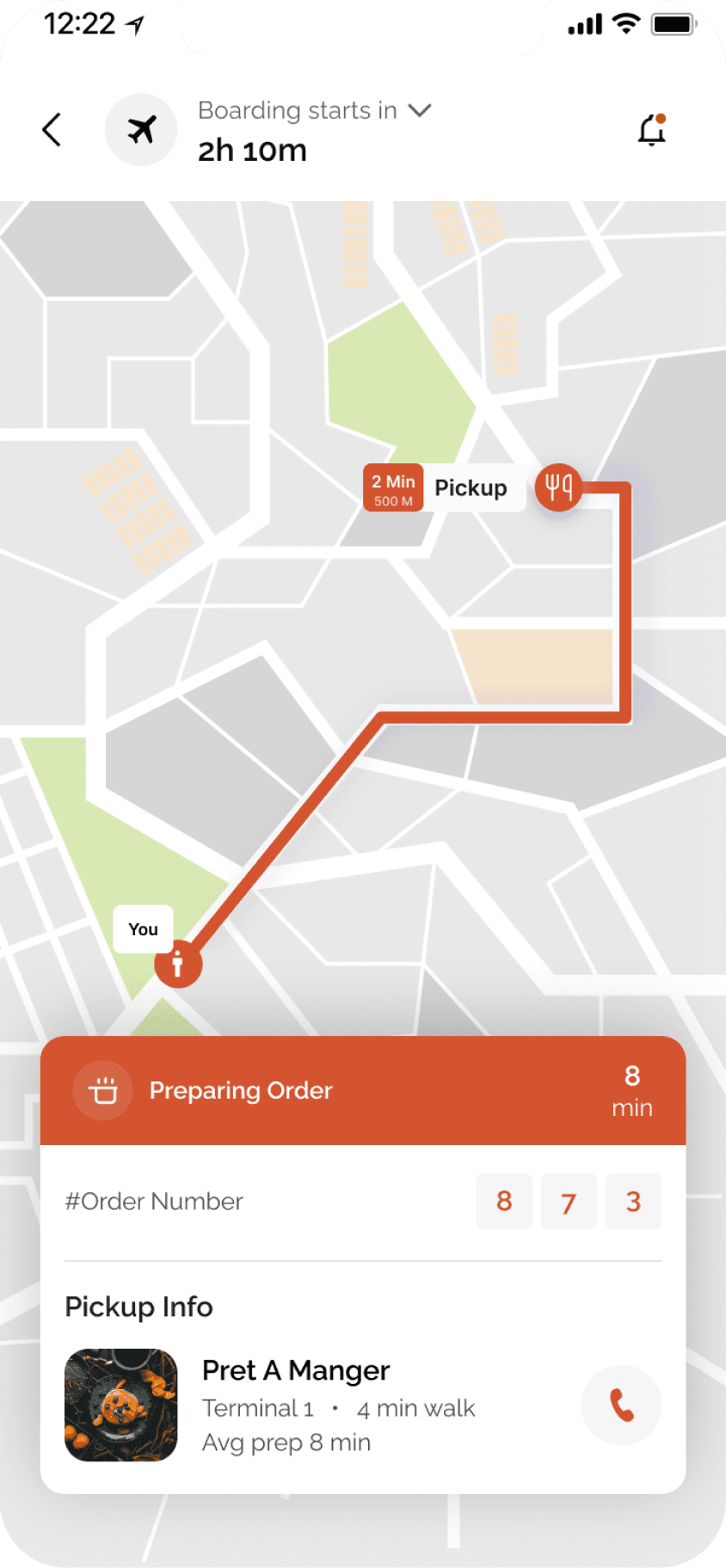
After payment, the experience shifts from confirmation to navigation, helping travelers reach the pickup point without breaking their travel flow.
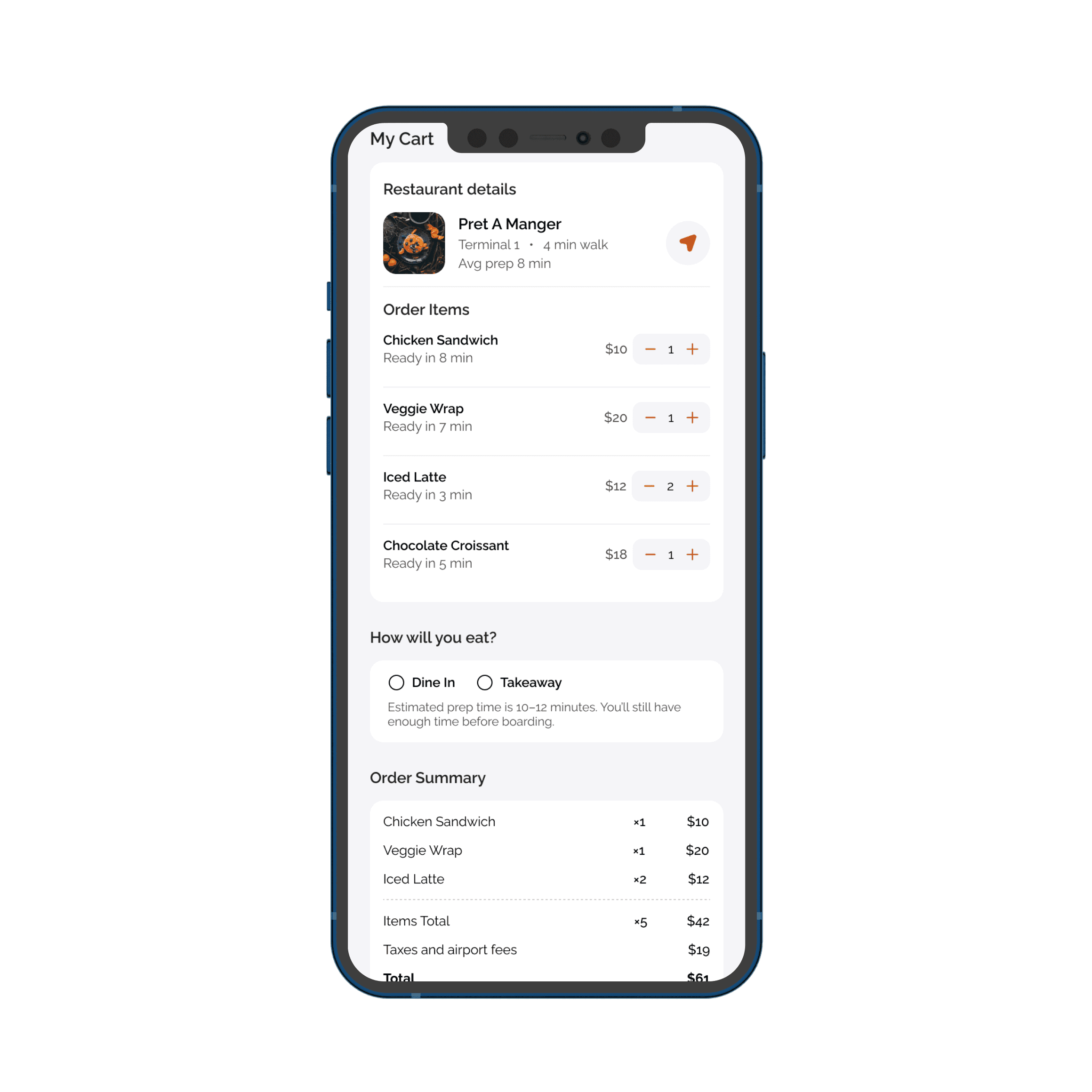
Pickup distance is surfaced before payment.
Consumption choice is deferred until pickup feasibility is clear.
Navigation becomes the primary interface until pickup.
Order status, always in view
Order progress is condensed into a persistent strip, keeping status and navigation accessible without interrupting movement.
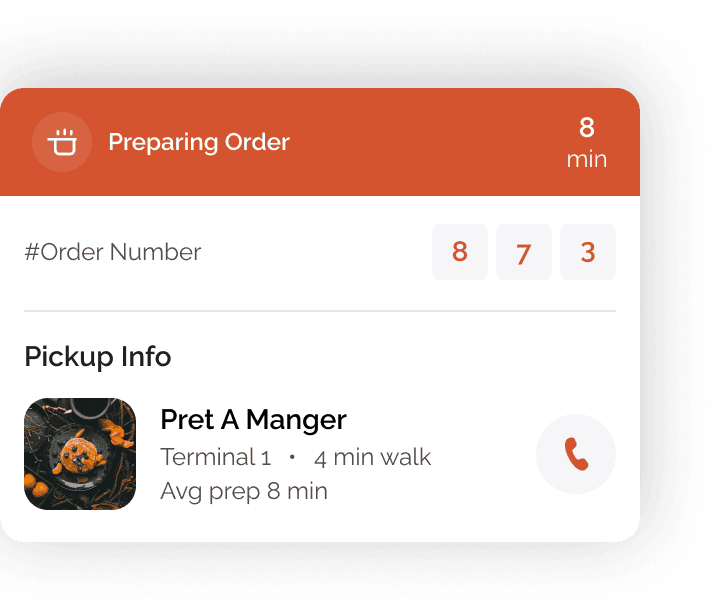
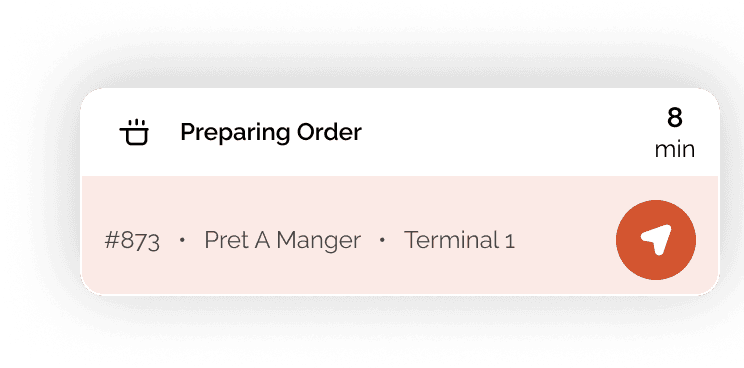
Order state is reduced to essentials for quick glanceability.
Navigation remains one tap away throughout preparation.
Outcome
User impact
→ Lower decision stress under boarding pressure
→ No manual estimation of prep time or walking distance
→ Clear handoff from digital ordering to physical pickup
Product impact
→ Reduced order failures and last-minute cancellations
→ More predictable pickup behaviour for airport restaurants
→ Scales across terminals without redesigning the experience
Wrap-up
Designing for time, not choice
→ Airport food ordering demands decisions under pressure, movement across terminals, and zero tolerance for error. This solution anchors the experience to flight context, ensuring every option shown is feasible within the traveler’s remaining time.
→ By constraining discovery, deferring secondary decisions, and shifting the post-order state toward navigation, the experience reduces cognitive load while keeping users moving confidently toward pickup without interrupting their travel flow.